
Having an Indonesian maid in Singapore can be a positive experience for families, but living and working together also requires understanding.
Your helper may have different religious practices, food preferences, communication habits, and ways of adjusting to a new household.
For employers, knowing what to expect can prevent unnecessary misunderstandings and make the transition more comfortable for everyone.
While every helper is an individual, there are some practical considerations that employers may find useful when welcoming an Indonesian domestic helper into their home.
What to Expect When Living With an Indonesian Maid
Living with a new Indonesian helper becomes easier when both sides understand what to expect. Here are what employers should know about living with an Indonesian helper in Singapore.
1. Religion and Daily Prayer (Shalat)
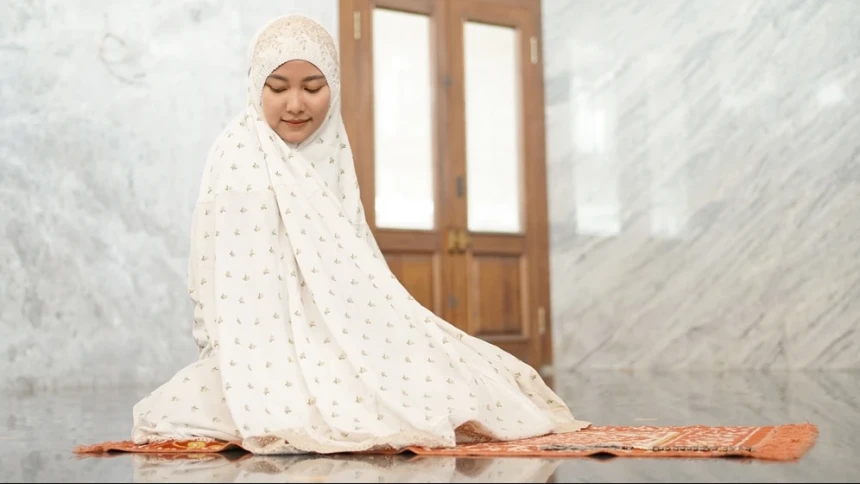
Many Indonesian domestic helpers are Muslim, although Indonesia is religiously diverse and not every Indonesian helper follows Islam. For Muslim helpers, shalat (daily prayer) is an important part of everyday life.
Muslims generally perform five daily prayers: Fajr in the early morning, Dhuhr around midday, Asr in the afternoon, Maghrib around sunset, and Isha at night. The exact prayer times change from day to day.
Each prayer itself is relatively short, but your helper may need a few minutes to prepare and a clean, suitable space where she can pray. Prayer times are spread throughout the day rather than requiring one long continuous break.
What employers should know
Religious practices should not automatically be viewed as an interruption to household responsibilities. With reasonable planning, prayer can usually fit naturally around the family’s daily routine.
If your helper needs to pray during the day, discuss when she normally prefers to do so and how you can arrange the household schedule accordingly. A clean and quiet area where she can pray can also make her feel more comfortable.
The important thing is to ask about her individual needs rather than make assumptions based on nationality. Some Indonesian helpers may have different levels of religious observance, while others may follow a different religion altogether.
2. Dietary Preferences and Halal Food
Food can become an important consideration when living with an Indonesian helper, particularly if she follows halal dietary requirements.
Many Indonesian Muslims avoid pork, alcohol, and other non-halal ingredients. Some may also have preferences regarding how meat is sourced or how food and cooking utensils are handled.
However, halal practices can differ between individuals. For example, some helpers may be comfortable preparing non-halal food for their employers even though they do not eat it themselves, while others may have stricter preferences.
What employers should know
The best approach is to discuss food arrangements openly rather than assuming what your helper will or will not be comfortable with.
You can clarify:
- Which foods she does not eat
- Whether she follows halal dietary requirements
- Whether she is comfortable preparing certain foods for the family
- Whether separate cookware or utensils are preferred
- What she normally eats for her own meals
This conversation is especially important if your family regularly eats pork, uses alcohol in cooking, or prepares different types of meat.
Being clear about food expectations from the beginning can prevent uncomfortable situations later.
3. Communication and Understanding Instructions
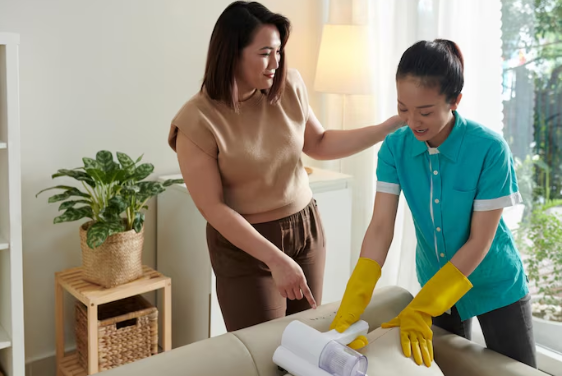
Communication is one of the most important aspects of living with a domestic helper. Even when your helper can communicate in English, there may initially be differences in vocabulary, pronunciation, or understanding.
Some Indonesian helpers may also be hesitant to admit when they do not understand an instruction, particularly when they are new to the household or nervous about making mistakes.
This means a simple “yes” does not always guarantee that the instruction has been fully understood.
What employers should know
Instead of assuming your helper understands everything, make important instructions as clear and practical as possible.
For example:
- Demonstrate unfamiliar household tasks
- Use simple and specific instructions
- Ask her to repeat important instructions
- Encourage her to ask questions
- Use written checklists for recurring tasks
- Give feedback when something needs to be done differently
Creating an environment where your helper feels comfortable saying “I don’t understand” is much more effective than expecting her to guess what you mean.
Related Article: 5 Effective Communication Strategies with Your Maid
4. Adjustment to a New Household
Moving into a new employer’s home can be a major adjustment, particularly for an Indonesian helper who is working in Singapore for the first time.
She needs to learn not only her household duties but also how your family operates. Your preferred cleaning methods, meal times, laundry routine, appliance usage, and expectations may be very different from those of her previous employer.
Even an experienced helper may therefore need time to understand your household.
What employers should know
The first few weeks should be treated as an adjustment and learning period.
Rather than expecting your helper to immediately know how everything works, show her around the house and explain important routines gradually. Give her opportunities to practise and ask questions.
It is also helpful to maintain consistent instructions. If the preferred way of doing a task keeps changing, it can make it harder for a new helper to understand what you expect.
5. Homesickness and Emotional Adjustment
For an Indonesian helper who has travelled away from home for work, homesickness can be part of the adjustment process. She may miss her parents, children, spouse, friends, familiar food, or daily life in Indonesia.
Some helpers may openly express homesickness, while others may become quieter or more withdrawn instead.
What employers should know
Homesickness does not necessarily mean that your helper is unhappy with your family or unwilling to work. It can simply be part of adjusting to a new environment and being away from loved ones.
Employers can make this transition easier by maintaining a supportive and respectful environment. Allowing reasonable communication with family during appropriate personal time can help your helper stay connected with home.
You don’t need to treat homesickness as a problem that you must solve. Often, patience, understanding, and a little time can make a significant difference.
Related Article: How to Handle a Homesick Domestic Helper
6. Learning Household Routines and Work Styles
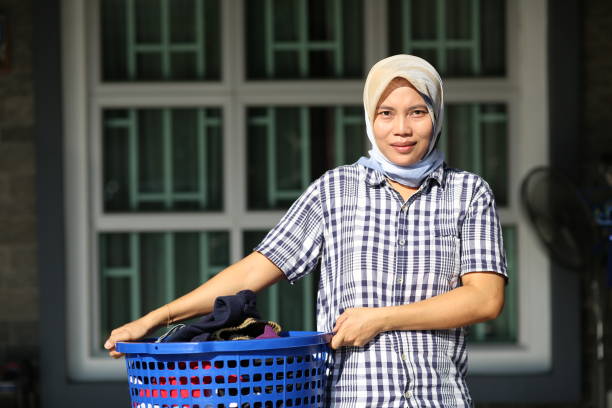
Every household has its own definition of “clean,” preferred ways of organising things, and expectations about how quickly tasks should be completed.
A helper may have several years of experience but still need to learn your family’s specific routines.
Some helpers may learn particularly well through observation, demonstration, and repetition, especially when learning unfamiliar appliances or household procedures.
What employers should know
During the initial training period, show your helper exactly how you want important tasks done.
For example, instead of simply saying “clean the bathroom,” demonstrate what you expect:
- Which cleaning products to use
- Which areas need extra attention
- How frequently the bathroom should be cleaned
- Where cleaning supplies are stored
Once she understands your preferred routine, she can gradually become more independent.
Be patient during this stage and provide consistent feedback rather than expecting perfection immediately.
7. Respect, Personal Boundaries and Household Hierarchy
Respect is important in any employer-helper relationship. Some Indonesian helpers may be particularly cautious about disagreeing with an employer or raising concerns directly, especially when they are new to the household.
This can sometimes create a situation where a helper appears to agree with everything even when she has questions or concerns.
What employers should know
A respectful working relationship does not mean that employers need to be overly strict or overly informal. Instead, aim for a balance where household rules remain clear while your helper feels comfortable communicating with you.
Let her know that asking questions is acceptable and that making a mistake does not mean she should be afraid to speak up.
You can say something as simple as: “If you’re not sure, please ask me. It’s better to ask than to guess.”
This small reassurance can make it easier for a new helper to become more confident over time.
8. Rest Days and Social Connections
A helper’s rest day is more than simply a day away from household duties. It can be an important opportunity to rest, contact family, meet friends, attend religious activities, or participate in her community.
Indonesian helpers in Singapore may have friends or social networks from their hometown or workplace communities. Maintaining these connections can help them feel less isolated while working away from home.
What employers should know
Respect your helper’s rest day and personal time. Avoid treating her day off as an opportunity to catch up on household tasks unless an arrangement has been mutually agreed upon and complies with applicable requirements.
It’s also helpful to establish clear expectations around phone use, especially during working hours, while allowing reasonable personal communication during her own time.
A helper who has sufficient time to rest and maintain important personal connections may find it easier to stay emotionally and physically well at work.
9. Food, Language and Familiarity Can Help With Adjustment
Small familiar things can make a new environment feel less intimidating.
Your helper may appreciate having access to familiar Indonesian foods or being able to communicate occasionally with Indonesian friends and family.
This doesn’t mean employers need to completely change their household routines. Rather, small gestures can help make the transition more comfortable.
What employers should know
If you are comfortable doing so, ask your helper what foods she normally eats or whether there are particular ingredients she is familiar with. You may also want to show her where she can purchase commonly used ingredients in Singapore.
Similarly, don’t be discouraged if communication takes some time to become natural. Familiarity develops through everyday interaction.
The more comfortable your helper becomes with the household, the easier it is usually for both sides to communicate and establish routines.
10. Every Indonesian Helper Is Different
Perhaps the most important thing for employers to remember is that nationality does not determine personality, skills, religion, or behaviour.
While certain cultural or religious practices may be common among Indonesian helpers, every individual has her own background, personality, experience, preferences, and expectations.
One helper may be highly religious while another may not be. One may be confident and talkative, while another may be naturally quiet. Some may have extensive childcare experience, while others may be stronger in housekeeping or cooking.
What employers should know
Use general cultural knowledge as a starting point for understanding—not as a way to make assumptions.
Take the time to get to know your helper as an individual. Ask about her preferences, listen to her concerns, and explain your family’s expectations clearly.
This approach is much more likely to create a comfortable and sustainable working relationship.
Also Read: Tips for Employers Hiring Indonesian Maids for the First Time
Building a Comfortable Household for Your Indonesian Helper
Living with an Indonesian maid is not about changing your household rules or accommodating every preference. Instead, it’s about finding a practical balance between clear expectations and mutual respect.
When employers understand their helper’s religious practices, dietary preferences, adjustment period, communication needs, and personal time, everyday interactions can become much smoother.
At the same time, your helper also needs to understand your family’s routines and responsibilities. The strongest employer-helper relationships are built when both sides communicate openly, respect boundaries, and are willing to adjust where reasonable.
Also Read: Key Traits That Make Indonesian Helpers a Good Choice
Looking for an Indonesian Maid in Singapore?
If you’re considering an Indonesian maid in Singapore, choosing a suitable candidate is an important first step toward building a successful long-term working relationship.
At Jaya Maids, we specialise in providing full-time Indonesian and Myanmar domestic helpers for Singapore families.
Our team takes the time to understand your household needs and help you find candidates suited to your requirements, whether you need assistance with housekeeping, childcare, elderly care, or cooking.
With branches in Bedok, Hougang, and Bukit Timah, Jaya Maids is ready to support you throughout the hiring and onboarding process.
Looking for a suitable Indonesian helper for your family? Contact Jaya Maids today to discuss your requirements.

One Response