
For many Singapore households, pets are more than just animals; they are part of the family. Whether you have a playful dog, a curious cat, or several pets at home, making sure they are well cared for is an important part of your daily routine.
If you are planning to hire a domestic helper, you might also want someone who can help with some of your pets’ daily needs.
This could include preparing their meals, cleaning their living areas, or taking your dog for a walk while you are at work.
However, not every domestic helper has experience caring for animals. Some may be familiar with dogs but have never looked after cats, while others may simply feel uncomfortable around certain types of pets.
So, how do you find a maid who can take care of pets? The best place to start is by discussing your expectations before hiring. Here are some things worth considering to help you find a suitable match for your household.
Why Should You Discuss Pet Care Before Hiring a Maid?

Having pets at home can add a few more responsibilities to your household routine. Apart from regular cleaning and cooking, there may be feeding schedules, daily walks, litter box cleaning, and other tasks that need attention.
This is why it is helpful to let the maid agency and potential candidates know that you have pets before starting the hiring process.
For example, if you have a dog that needs to be walked twice a day, you should mention this early. Similarly, if you have several cats that require regular litter box cleaning, explain what kind of assistance you are looking for.
This conversation helps everyone understand the arrangement from the beginning. It also gives you a chance to find out whether the candidate has previous experience with pets and, more importantly, whether she feels comfortable around them.
Rather than assuming that a helper can handle all types of animals, take some time to understand her experience and preferences.
What Pet-Related Responsibilities Should You Discuss?
Pet care can mean different things to different households. For some employers, it may only involve feeding their pets and keeping their areas clean. For others, it could include daily dog walks and more regular attention.
Before hiring, think about which tasks you would like your helper to assist with. Here are some common responsibilities you may want to discuss.
1. Feeding and Preparing Pet Meals
Feeding pets may seem like a simple task, but some animals have specific eating habits or dietary requirements.
For example, your pet may need to eat at certain times, follow measured food portions, or avoid particular ingredients because of allergies. If your pet requires a special diet, it is important to explain these details clearly.
You can also show your helper where the pet food, treats, supplements, and feeding equipment are kept.
Some of the tasks you may discuss include:
- Preparing and serving pet food at scheduled times.
- Measuring the correct food portions.
- Refilling drinking water.
- Cleaning food and water bowls.
- Following any special feeding instructions.
Providing clear instructions helps your helper understand your pet’s routine and reduces the chance of feeding mistakes.
2. Walking Dogs and Daily Exercise
If you have a dog, you may need someone who can help with daily walks, especially when you are busy with work or other commitments.
However, walking a dog involves more than simply taking it outside. Some dogs are easy to handle, while others may pull on the leash, react to unfamiliar animals, or become nervous in crowded areas.
Before assigning this responsibility, talk about your dog’s behaviour and walking habits. Explain how often your dog needs to go out, how long each walk usually takes, and whether there are any situations your helper should be aware of.
It is also important to consider whether the candidate feels confident handling your dog’s size and temperament. If your dog is particularly strong or difficult to control, you may need to make other arrangements for its walks.
3. Cleaning Pet Areas and Litter Boxes
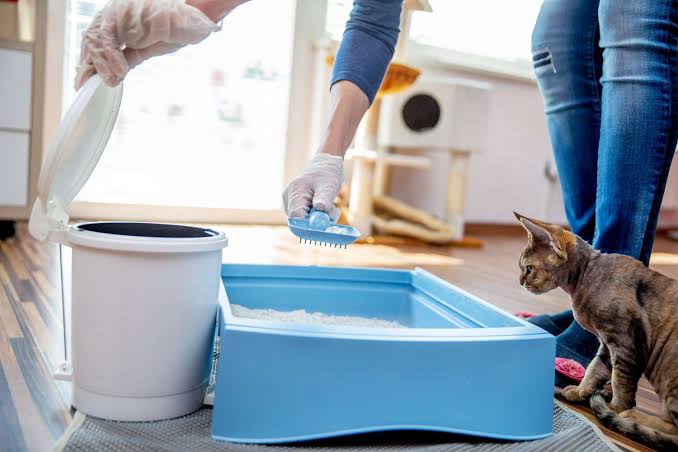
Keeping pet areas clean is another responsibility that may be part of your household routine.
For example, cat owners may need help cleaning litter boxes, while dog owners may need assistance washing pet bedding or removing fur from floors and furniture.
Depending on your arrangement, these tasks may include:
- Cleaning cat litter boxes.
- Removing pet hair from floors and furniture.
- Washing pet bedding and blankets.
- Cleaning food and water areas.
- Wiping down designated pet spaces.
- Disposing of pet waste properly.
It is also worth showing your helper which cleaning products are safe to use around your pets. Some household cleaning products may not be suitable for animals, so explain which ones to use and where they are stored.
If you have additional requirements, such as cleaning cages or bathing your pets, discuss these separately rather than assuming they are included in the regular household routine.
4. Grooming and Basic Pet Hygiene
Depending on your pet, there may also be a few simple grooming tasks to take care of at home.
For instance, dogs with longer coats may need regular brushing, while pets that go outdoors may need their paws wiped before entering the house.
If you would like your helper to assist with these tasks, show her how you normally do them. This is especially important if your pet is nervous, dislikes being handled, or tends to move around during grooming.
Keep in mind that basic pet hygiene is different from professional grooming. Tasks such as trimming nails, cleaning ears, or bathing an anxious animal may require additional experience. It is best to discuss these expectations beforehand and arrange professional help when needed.
5. Recognising Changes in Your Pet’s Behaviour
Since your domestic helper may spend time with your pets while you are away, it is useful for her to understand their usual behaviour.
You can explain your pet’s normal eating habits, activity levels, and personality. For example, does your dog usually get excited around visitors? Does your cat tend to hide when it feels uncomfortable?
These small details can help your helper recognise when something seems unusual.
You should also explain what to do if your pet refuses food, becomes unusually tired, vomits, or appears distressed. Provide your veterinarian’s contact details and let her know how to reach you in case of an emergency.
Your helper should not be expected to diagnose or treat medical conditions. However, knowing when to alert you and seek veterinary assistance can make a big difference.
Questions to Ask a Maid About Her Pet-Care Experience
Once you have explained your household’s pet-care needs, it is a good idea to ask the candidate about her previous experience with animals.
You do not necessarily need to find someone who has extensive pet-care experience. What matters is understanding whether she is comfortable around your particular pets and willing to learn the routines involved.
Here are a few questions that can help you get a better understanding:
- Have you lived in a household with pets before?
- Have you ever taken care of dogs or cats?
- Are you comfortable feeding pets and cleaning their areas?
- Have you ever walked a dog before?
- Are you comfortable handling larger dogs?
- Do you have any concerns about working in a household with pets?
- Are there any pet-related tasks you are unfamiliar with or uncomfortable doing?
You can also tell her a little about your pets. For example, if you have an energetic dog that needs regular walks, explain what the walks involve.
This gives the candidate a clearer picture of what to expect and allows her to be honest about what she is comfortable doing.
How to Introduce Your New Maid to Your Pets
Even if your new helper has experience with animals, it may take some time for her and your pets to become familiar with each other.
Some pets are naturally friendly and will approach new people without hesitation. Others may feel nervous or take longer to accept someone unfamiliar in their home.
A gradual introduction can make the process easier for everyone.
- Start with a calm introduction. Choose a quiet time when your pet is relaxed. Let your helper meet the animal without rushing or forcing physical contact.
- Give your pet time to adjust. Allow your pet to approach and become familiar with the new person at its own pace. Your helper should also avoid sudden movements that might frighten the animal.
- Show her the daily routine. Walk her through the feeding schedule, cleaning routine, and any other tasks you expect her to help with. Demonstrating these activities is often easier than explaining everything verbally.
- Explain your pet’s personality. Every animal has its own habits. Let your helper know whether your pet dislikes being picked up, becomes nervous around strangers, or reacts to certain sounds.
- Stay nearby during the first few interactions. This allows you to guide your helper and observe how your pet responds. You can gradually give her more responsibility as both become comfortable.
Remember that building trust takes time. There is no need to rush the process, especially if your pet is naturally shy or anxious around unfamiliar people.
How to Balance Household Chores and Pet Care
One thing employers sometimes overlook is how much time pet care can take up during the day.
Feeding a cat may only take a few minutes, but walking two dogs, cleaning several litter boxes, and maintaining pet areas can become a more regular part of the household routine.
This is worth considering when planning your helper’s daily responsibilities.
For example, if your helper is also responsible for cooking, laundry, childcare, and general cleaning, adding several pet-related tasks may make her schedule quite demanding.
A simple way to manage this is to plan the daily routine together. Identify which tasks need to be completed every day and which can be done less frequently.
You should also consider your pets’ individual needs. Puppies, senior pets, and animals with special care requirements may need more attention than healthy adult pets.
Most importantly, keep communication open. If the workload becomes difficult to manage, discuss whether certain tasks need to be adjusted or handled differently.
Pet care should be discussed as part of the overall work arrangement, rather than introduced as an additional responsibility after your helper has arrived.
Finding a Domestic Helper Who Is Comfortable Around Pets
If you have pets at home, finding a suitable domestic helper involves more than looking at her general housekeeping experience.
You should also consider whether she is comfortable around animals and whether her experience matches your household’s needs.
For this reason, it is helpful to share your pet-care requirements with the maid agency early in the selection process. Explain what type of pets you have, how many there are, and what kind of assistance you need.
This gives the agency a better understanding of your expectations and helps identify candidates whose experience and preferences may be suitable.
At Jaya Maids, we assist Singapore households looking for full-time Indonesian and Myanmar domestic helpers. Whether you need help with everyday household responsibilities or have specific requirements because you own pets, sharing these details can help us better understand the type of candidate you are looking for.
If you are searching for an Indonesian maid agency in Singapore or a suitable domestic helper for your household, contact Jaya Maids to discuss your requirements and explore available candidates.
Frequently Asked Questions
Can I hire a maid who can take care of pets in Singapore?
Yes. You can look for a domestic helper who has previous pet-care experience or is comfortable working in a household with animals. It is important to discuss the responsibilities with both the agency and candidate before hiring so that everyone understands the arrangement.
Should I hire a maid with previous pet-care experience?
Previous experience can be helpful, especially if you have large dogs, multiple pets, or animals with specific routines. However, experience is not the only factor to consider. You should also find out whether the candidate feels comfortable handling your particular pets and is willing to learn their routines.
Can a domestic helper walk my dog?
This is something you should discuss and agree upon before hiring. Consider your dog’s size, temperament, and walking requirements, as well as whether the helper feels confident handling it safely.
Can a maid take care of both household chores and pets?
It depends on the number of pets, the type of care they need, and the helper’s overall workload. Simple tasks such as feeding pets or cleaning their designated areas may fit into a household routine. However, more demanding responsibilities require careful planning to ensure the workload remains manageable.
What should I prepare before my maid arrives if I have pets?
It is helpful to prepare a simple guide covering your pet’s feeding times, food portions, cleaning routine, and behavioural preferences. You should also provide your veterinarian’s contact details and show your helper where pet supplies are stored.
Should I tell the maid agency that I have pets?
Yes. Letting the agency know early gives you an opportunity to discuss your household requirements and look for candidates who are comfortable around animals. It is better to bring this up during the selection process rather than after the helper has started working.
